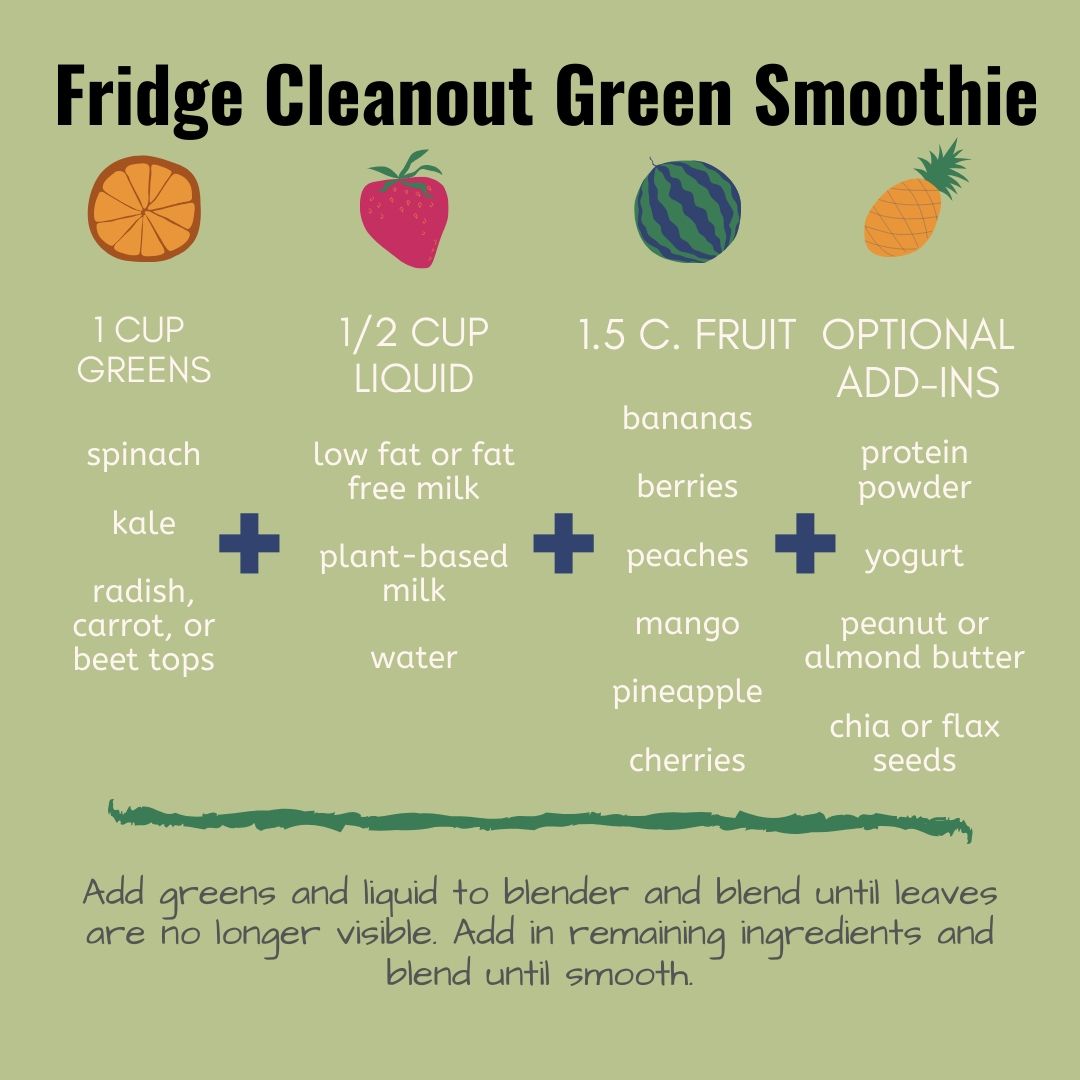
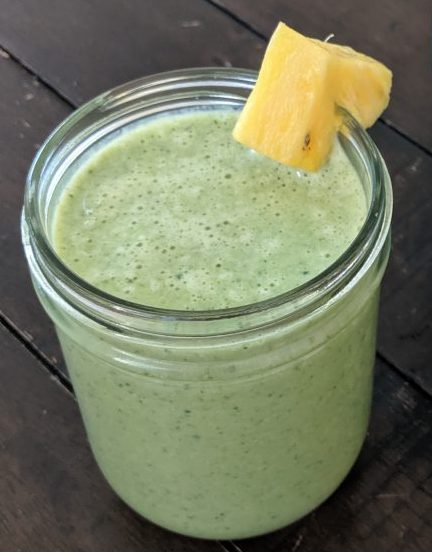
Clean out your fridge and blend smoothies in an endless variety of flavors! Smoothies are such a great way to fit in so much good nutrition – get your calcium, protein, healthy carbs, vitamins and minerals, fiber, and anti-inflammatory omega-3s in one delicious glass that goes with you throughout your morning (or day)! Enjoy!
Let’s get right down to reality: grocery shopping is not that fun of an activity for most people. Right now during the COVID-19 pandemic, it can be even worse! What is grocery shopping like in your area right now? Here there are longer lines, emptier shelves, and though I totally understand the need for social distancing, it gives me middle school ostracization vibes. Since I’m trying to minimize my exposure (to COVID-19 and the discomfort of grocery shopping), I’ve decided to try to spread out my shopping to every 2 weeks instead of every week. This poses some logistical questions: how do you eat healthy meals for 2+ weeks when many fresh ingredients only last a week? How can you possibly remember everything you’ll need?
In the past, I’ve walked you through a step-by-step method for making a meal plan. If you haven’t read that post, go check it out for some necessary background info. Today I’ll take you through some tips to make that process work for meal plans longer than 1-2 weeks. This is useful if you prefer to/are only able to grocery shop once or twice a month. It’s especially applicable right now, while we’re trying to spend less time out of our homes!
1. Organize your meal plan by ingredient lifespan
To maximize nutrition and variety, plan your meals around the ingredients that will “make it” to each week. Balance this based on the fridge/freezer/pantry space you have. If you have less fridge space, you may rely more heavily on your freezer. If you’re lacking freezer space, you may rely more on canned or dry goods. If you lack pantry space, stuff canned goods in your shoes! I’m kidding…sort of. Stash ’em wherever you have to – you gotta eat!
Keep in mind that foods from weeks 2-4 can always be eaten sooner, but week 1 foods won’t necessarily make it to weeks 2-4.
Week 1
Proteins
Vegetables
Fruits
Dairy/Calcium
Grains/Starches
Snacks
fresh or frozen meat
chicken
fish
beef
pork
sausage
bacon
deli meat
dry or canned beans
eggs
tofu
leafy greens
asparagus
eggplant
mushrooms
tomatoes
snap peas
cucumber
zucchini/yellow squash
avocados
bananas (peel and freeze after 1 week if uneaten)
tomatoes
grapes
clementine oranges
lemons/limes
fat free or 1% milk
fat free or 1% yogurt
plant-based milks (make sure they are fortified with calcium and vitamin D)
low fat cottage cheese
cheese
tofu
whole grain pasta
brown rice
quinoa
potatoes
sweet potatoes
whole grain bread products
whole grain cereals
fresh veggies with hummus
apples with peanut butter
grapes and cheese
whole grain crackers with cheese
tortilla chips with salsa and cottage cheese
dark chocolate
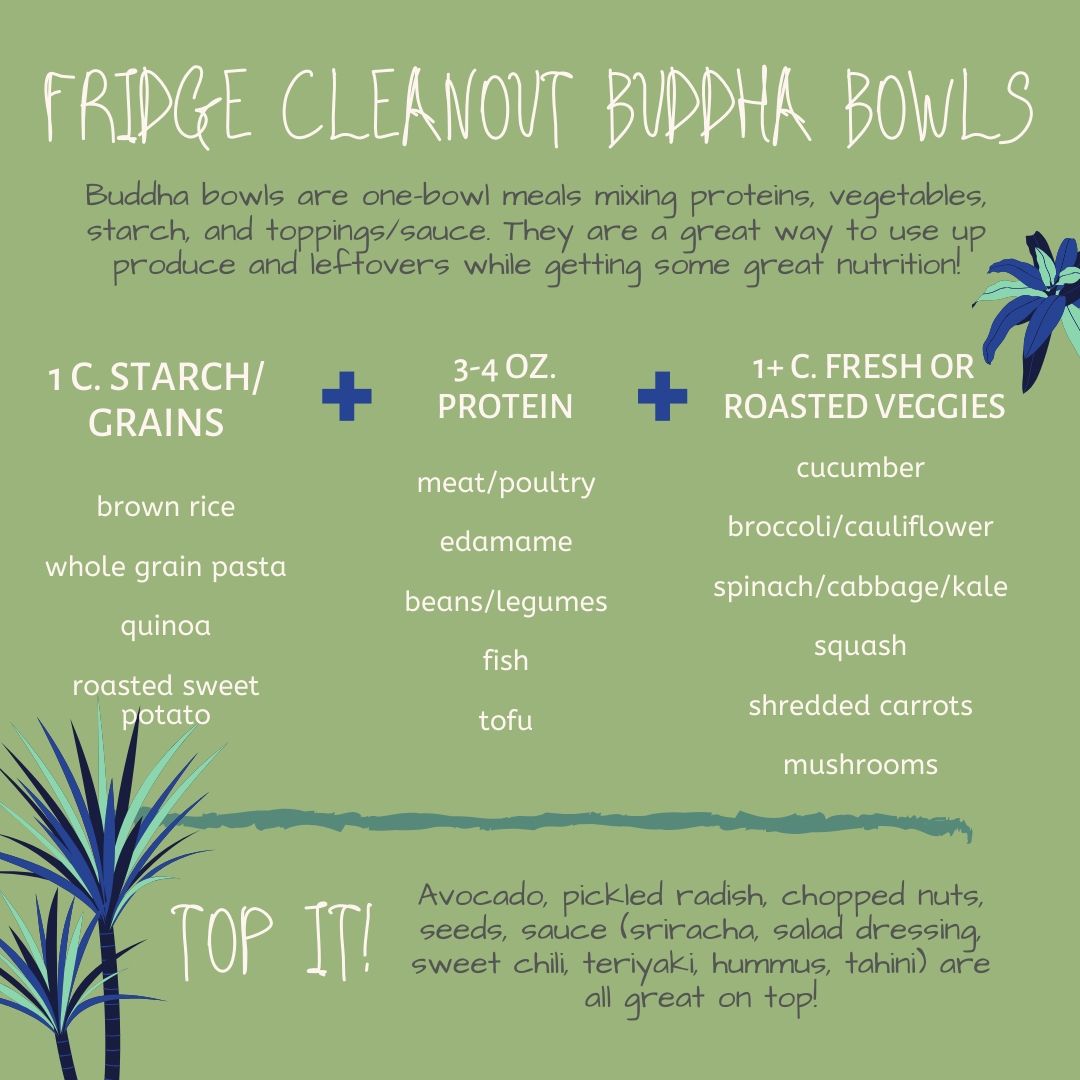
Week 1 Meal ideas: chef salad, deli meat sandwiches, salmon with grilled or roasted asparagus, tacos, hamburgers, veggie scrambles/frittatas, Greek cucumber and tomato salad, Buddha bowls
Week 2
Proteins
Vegetables
Fruits
Dairy/Calcium
Grains/Starches
Snacks
frozen meat*
chicken
fish
beef
pork
sausage
bacon
canned salmon, tuna, or chicken
dry or canned beans
eggs (hard-boil after 2 weeks if uneaten)
tofu*
cabbage
carrots
broccoli
cauliflower
beets
butternut or acorn squash
bell peppers
onions
apples
oranges
pineapple (buy under-ripe or canned)
watermelon
frozen berries
frozen bananas (leftover from week 1)
fat free or 1% milk* (take out to thaw 2-3 days before you need it)
fat free or 1% yogurt (individual containers will last 2 weeks)
plant-based milks (make sure they are fortified with calcium and vitamin D)
cheese
tofu*
whole grain pasta
brown rice
quinoa
potatoes
sweet potatoes
whole grain bread products* (take out to thaw 1 day before you need it)
whole grain cereals
whole grain crackers with cheese or canned tuna/chicken
trail mix
whole grain chips (e.g. Sun Chips, Food Should Taste Good tortilla chips)
frozen edamame (microwave and salt!)
yogurt with frozen berries & granola
dark chocolate
*Freeze as soon as you get home from shopping.
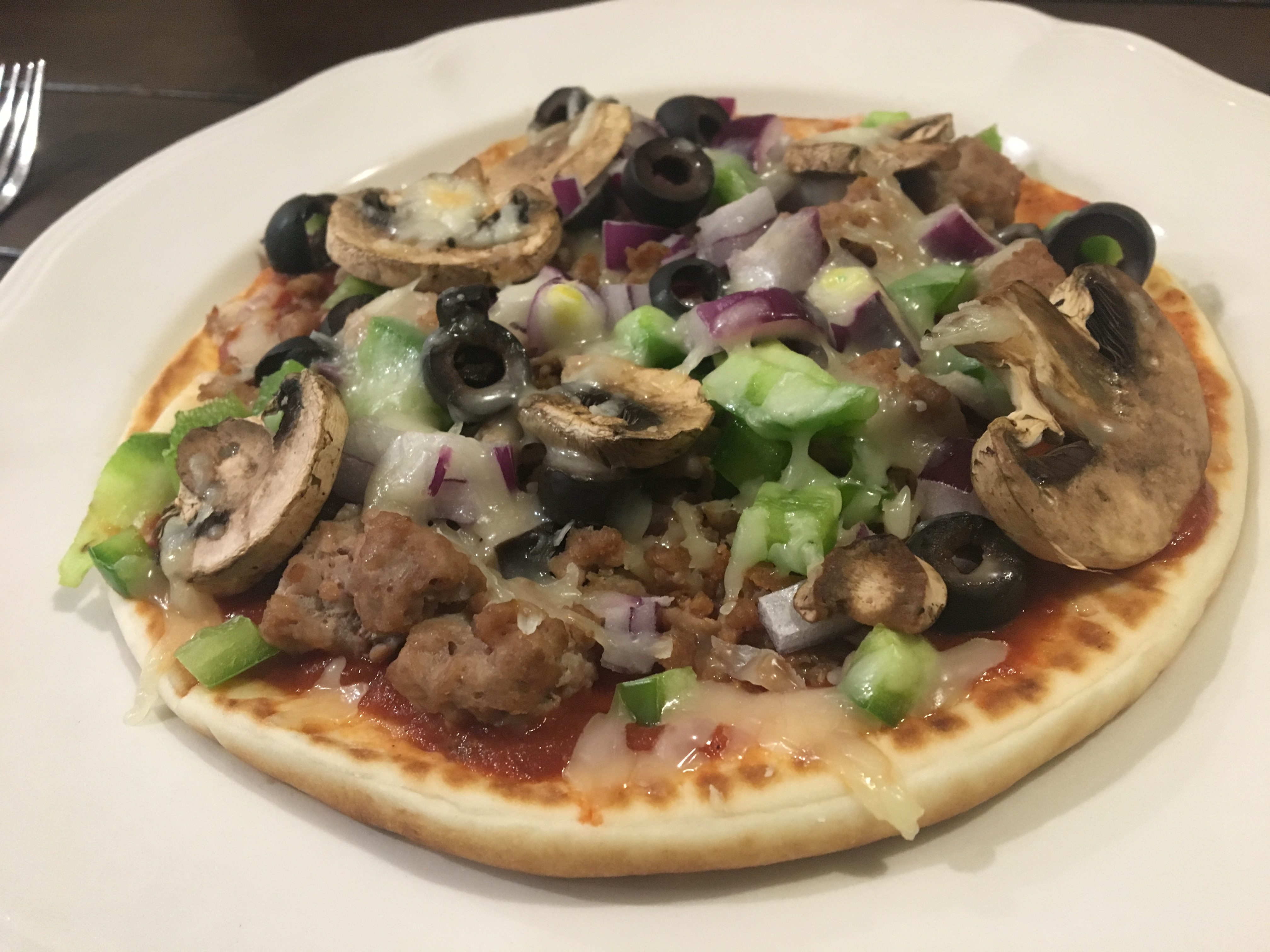
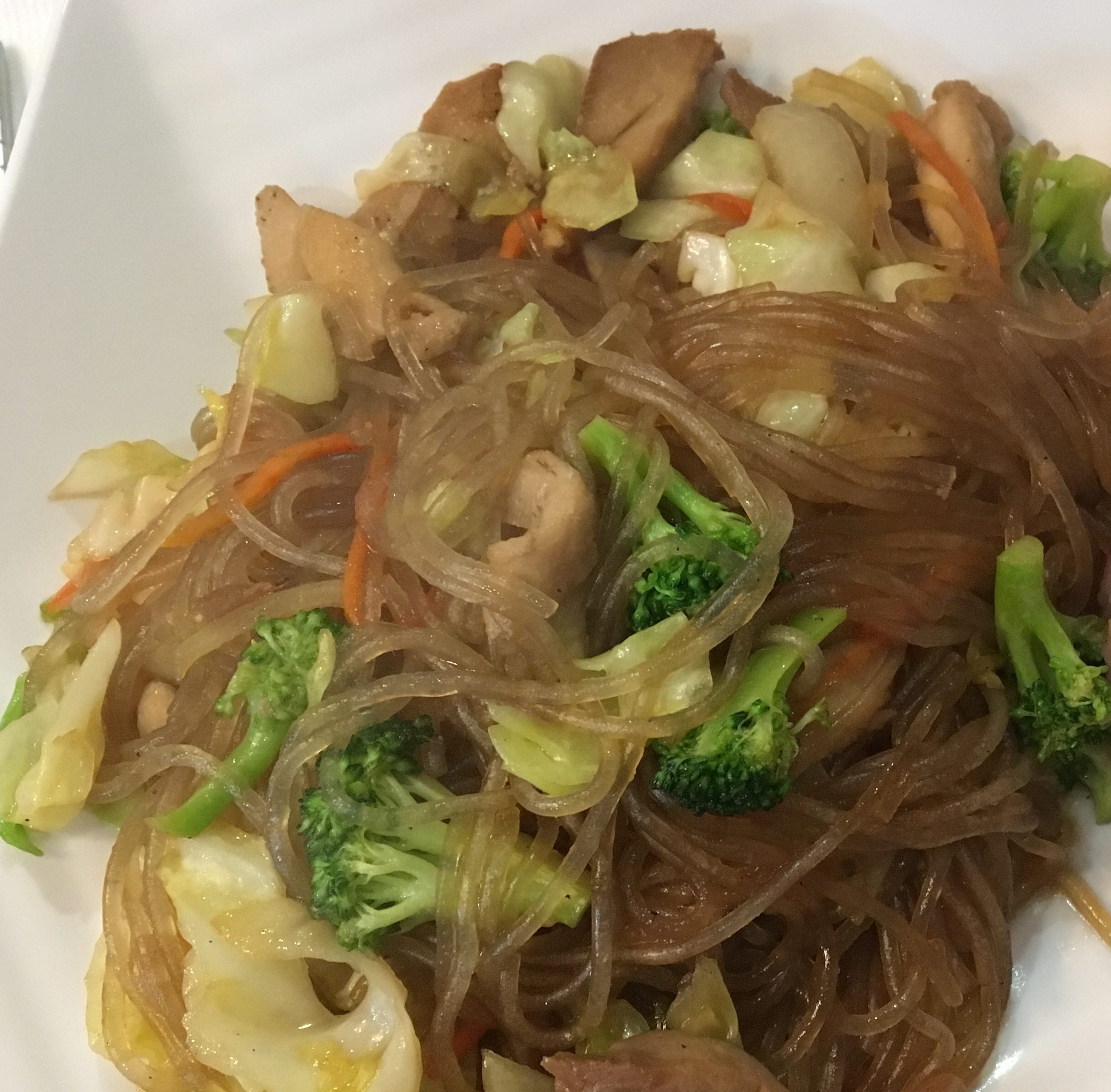
Week 2 meal ideas: stir fry (use any protein you like!) with rice, BBQ chicken w/coleslaw, beef stew, butternut or acorn squash soup, chicken parmesan w/spaghetti, broccoli/cauliflower chopped salad, pita pizzas, Asian chopped cabbage salad, pork chops with steamed broccoli, loaded baked potatoes
Weeks 3-4
Proteins
Vegetables
Fruits
Dairy/Calcium
Grains/Starches
Snacks
frozen meat*
chicken
fish
beef
pork
sausage
bacon
canned salmon, tuna, or chicken
hard-boiled eggs (made in week 2)
dry or canned beans
tofu*
canned/jarred veggies
peas
green beans
beets
diced tomatoes
roasted bell peppers
pickled asparagus
frozen mixed vegetables
vegetable-based sauces
marinara
salsa
pesto
onions
canned peaches or pears (look for those canned in juice and top with a dollop of light whipped topping – yum!)
frozen berries
frozen bananas (leftover from week 1)
dried fruits
raisins
cranberries
cherries
mango
pineapple
bananas
fat free or 1% milk* (take out to thaw 2-3 days before you need it)
fat free or 1% yogurt* (take out to thaw 1-2 days before you need it)
plant-based milks (make sure they are fortified with calcium and vitamin D)
tofu*
whole grain pasta
brown rice
quinoa
potatoes
sweet potatoes
whole grain bread products* (take out to thaw 1 day before you need it)
whole grain cereals
beef or turkey jerky
fruit leathers
trail mix
whole grain chips (e.g. Sun Chips, Food Should Taste Good tortilla chips)
frozen edamame (microwave and salt!)
dark chocolate (yes it’s on EVERY. SINGLE. WEEK…you can tell the haters your dietitian said so)
*Freeze as soon as you get home from shopping.
Week 3-4 Meal Ideas: chili with tortilla chips, deviled eggs with pickled veggies, tuna casserole with frozen peas and carrots, tuna fish or egg salad sandwiches, smoothies, spaghetti with green beans, jambalaya
2. Include “catch-all” meals 1-2 times weekly
“Catch-all” is the term I use to affectionately refer to meals that are delicious with nearly any combination of vegetables. These are super useful when you’ve got odds-and-ends produce left over from other meals. Think curries, soups, stir-fries, scrambles, etc. Schedule 1-2 of these in each week to use up whatever produce you have milling around or that is nearing it’s early end to make sure it doesn’t go to waste.
If you’d like more ideas for catch-alls, check out this post I wrote entirely about these nifty meals!
3. Have some “plan B” meals available
“Plan B” meals are my term for meals you can make entirely from frozen or shelf-stable ingredients. Essentially, they are “week 3-4 meals” that aren’t part of your actual meal plan. I always keep 1-2 meals worth of “plan B” meals available for when the inevitable happens to your plan A. Maybe you had to use up your ingredients early because they were going bad, or maybe some hungry family member unknowingly ate your entree for Friday’s dinner. You’ll save yourself a lot of stress if you keep one or two of these handy just in case.
4. Check your staples before you shop
Shopping for several weeks at a time can make it tough to anticipate all of the kitchen and household needs you might run into. When I plan for a big shop, I’ve learned I must actually take the time to check (yes, open the cupboard and look at) my storage of all of our household staples. Otherwise, I forget that I used up the garlic powder or I don’t notice that my husband used the last Band-Aid. Even worse for a lockdown situation, I might not realize that my teenage son killed the last of his deodorant (yipes)! You don’t want to have to wait 3-4 weeks for some of these necessary staples. Take the time to check it. I know it’s annoying, but the 5 minutes it takes is worth it. Use a staples list to help you out (you can find a pre-made one here, or see mine in this post). Don’t forget spices, hygiene products, and pet supplies!
5. Store it the right way
Spend some time making sure you are properly storing your produce for maximum freshness. I’m constantly learning new ways to store veggies to keep them longer! Check out some of my favorite tips for storing produce:
tomatoes: keep them out of the fridge and intact (on the vine if possible)
carrots: store point down in a jar of water in the fridge to retain crispness
spinach/lettuce: remove plastic and store unwashed in an airtight container with a folded paper towel
mushrooms: store in a breathable bag (paper bags work well) with a folded paper towel
broccoli: store naked in the produce drawer
onions/garlic: store at room temperature in a cool, dry place
potatoes: store at room temperature in a cool, dry place
butternut or acorn squash: store at room temperature in a cool, dry place
bananas: break apart bunches and store separate from other produce (bananas can ripen other produce more quickly)
I hope these tips have helped you navigate long-term meal planning! Leave me a comment and let me know what was useful (or other posts you would like to see)! Stay safe and healthy!
Does lockdown make you wonder if you might have a problem with food? Do you find yourself craving sugar or bingeing on snacks or treats, especially at nighttime? This is exacerbated by the fact that we are all home (ALL the time), and all that tasty food is right there for the taking. There are several steps you can take to identify or overcome emotional eating. The first and most important thing is to determine what causes your food cravings. Determining the cause will help you discover whether or not you have a food addiction or if there is another potential cause for your food cravings.
How to Determine what triggers your cravings
Check in with your intakes
Most of the time, cravings are a response to a need for fuel. Many of my clients get cravings in the evenings, especially for sweets or salty snacks, because they are undereating either carbohydrates or calories throughout the day. More than half of my clients who are trying to lose weight are actually undereating, so honestly assess the possibility that you might be over-restricting. Common symptoms include low energy, poor sleep (or sleeping too much), brain fog, fatigue, memory issues, anxiety, emotional dysregulation/moodiness, and food cravings (especially cravings for carbohydrates or sugar). There’s nothing wrong with eating those foods, by the way, but we want to be in a place of intentionally choosing to eat them because we will enjoy them, not feeling compelled to eat them because your body is just so. Dang. Hungry!
If you aren’t sure (most of my clients assume they need to eat less than they actually should), find a Registered Dietitian to help you know how much you should actually eat. I’m still offering video appointments during the lockdown! Most adult clients should be eating more than 1400 calories and well over 100 grams of carbohydrate daily (even if you’re trying to lose weight or if you have diabetes). Calorie tracking apps and online calculators are often inaccurate.
Assess your emotions
If you are certain you are meeting your body’s needs and you still struggle with a compulsion to eat unhealthful foods on a regular basis, try looking at your emotions. The second most common cause of food cravings has to do with dopamine, a neurotransmitter in the brain that makes us feel content. Negative emotions are usually paired with low dopamine. The brain sees low dopamine as a problem that needs to be fixed and will often go hunting for a way to raise it. Eating delicious food is a quick way to get a rush of dopamine. So, often our brains will go straight to the fridge to fix the problem! Your brain doesn’t care if you eat ice cream, it only wants dopamine.
Ask yourself if you are experiencing a negative emotion. Boredom, loneliness, stress, anxiety, and depression are common culprits.
If the answer is yes, the first line of attack is to try to raise dopamine in a way that doesn’t involve food. You can do this by turning to an activity that you truly enjoy. Calling a friend, doing a crossword, going for a walk, or reading a book are examples of activities my clients have used. The key is that you enjoy it – otherwise it doesn’t raise your dopamine!
Sometimes you don’t have the time to do an alternative activity, so the next line of attack is to try to find a healthier food option. Craving salty snacks? Go for a couple handfuls of tortilla chips with salsa, pretzels, or whole grain chips or crackers (Sun Chips and Triscuits are great options). Sweet tooth calling out to you? Try frozen grapes, graham crackers, or berries with vanilla yogurt or whipped topping. Finally, if you know that a healthier activity or alternative will not do the trick, it’s not a failure.
Try to moderate the amount of a craved food that you eat. Three to four bites of a desired food can cause the peak amount of dopamine response within the following 10-15 minutes. The take-home message? Rather than eat continually until your dopamine peaks and you feel better, try to savor that tasty food for 3-4 bites then wait 10-15 minutes. After that, reassess to see if you still feel like you need more.
If you are certain that you really want the food you’re craving, go for it! It is not a failure to eat food you love. Do not feel bad about it! Food is meant to be enjoyed. The most important thing is that you choose to eat intentionally and not because you are underfueled or you feel out of control.
Seek an outside opinion
If you have evaluated the above topics and are still struggling to get to the root of your food cravings, it could be possible that you have a food addiction. Evaluation for food addiction is still in its early stages. Researchers from Yale University have created a food addiction scale but the scoring system is complex and it is not widely used. For now, the best method is to meet with a Registered Dietitian and a Licensed Mental Health Counselor. Since food addiction by nature is a crossover between mental health and food habits, each professional can have a valuable perspective. If it turns out that you do have addictive food behaviors, a holistic treatment plan will involve them both as well.
Since we’re all trying to stay home and avoid random trips to the store, it can be tough to cook when you don’t have all of the ingredients your favorite recipes call for. The good news is, there are often many ways to swap things out, and you may find alternatives that you like better than the original!
Start off with this list of ideas to keep you cookin’. Keep in mind, all of these swaps can go the other direction too!
If your recipe calls for…
You can use…
Things to note
sour cream
plain yogurt (or Greek yogurt)
cream
1 c. milk + 2-3 Tbsp melted butter
egg (in baking)
1 Tbsp chia or flax seeds soaked in 3 Tbsp water (1 egg equivalent)
OR
1/2 mashed banana
These alternatives will replace the binding properties of an egg in baking, but not necessarily the flavor of an egg.
baking powder
1 part baking soda + 2 parts cream of tartar
This is actually the recipe for baking powder – you can make it at home anytime!
cream of tartar
1 part white vinegar + 1 part lemon juice
cream cheese
cottage cheese, pureed until smooth
bacon
bacon bits, Canadian bacon, ham
to replicate the flavor of bacon only, use liquid smoke
bread crumbs
crackers, oats, or stale bread (blend to crumb in food processor), crushed bran cereal
for seasoned bread crumbs, add salt and herbs like parsley, oregano, and rosemary
We’re going on two solid weeks of quarantine in my area, and we recently started a shelter-in-place lockdown. Gyms have been closed for several weeks and now all parks, beaches, and government-owned trails are either shut down or we have been recommended to steer clear. While necessary, these closures can make it seem impossible to find a way to stay active (not to mention find the motivation to do so)!
While it may not be your preferred way to be active, video workouts can be a saving grace when your gym and equipment (and much of the great outdoors) are unavailable. Many different Youtube creators have been generating free fitness-related videos for years, all of which are at your fingertips. With these Youtube channels, there’s something for everyone!
Important: As with any new fitness regimen, make sure to have your doctor’s approval and use this form to help you assess your risk to safely incorporate new exercise. Discontinue any movement that causes sharp or shooting pains, modify as needed, and progress gradually.
1. POPSUGAR Fitness
Type of workouts: All kinds – cardio, barre, boot camp, kickboxing, Zumba/latin dance, strength and toning, Pilates, yoga, and more
Reasons you might love it: Think of POPSUGAR as a live, video version of a fitness magazine workout. They have many skill levels of balanced, well-rounded workouts with certified trainers, and they often instruct on modifications. If you love female-oriented workout classes, this is a great place to start!
Reasons it may not be a good fit: The models are very fit and dressed like fitness models. You’ll swear they aren’t breaking a sweat. Staying fit and aesthetic is their job – for most of us, that’s not the case. If that’s going to be discouraging, you may prefer a different channel.
2. Fitness Blender
Type of workouts: Cardio, HIIT, kickboxing, strength training
Reasons you might love it: Fitness Blender offers a no-frills approach to video workouts. The set is very simple (one exercise demonstrator on a white background), the workouts are balanced, and you’ll definitely get your sweat on. There is no background music so you can play your own favorite tunes.
Reasons it may not be a good fit: If you love a high-energy, music-pumping group fitness experience, the simplicity of Fitness Blender may not offer the atmosphere you crave.
3. The Fitness Marshall
Type of workout: Hip hop cardio dance
Reasons you might love it: With all due respect, Caleb (aka “The Fitness Marshall”) is like a very hip, very modern Richard Simmons. He’s high energy, he’s hilarious, and he is an EPIC hip hop dancer. His videos are inclusive of a variety of shapes, sizes, genders, races, and sexual orientations. He sometimes messes up and totally plays it off – no perfection needed, just have a blast dancin’!
Reasons it may not be a good fit: Obviously, if you don’t like dancing or hip hop music, this is not the channel for you. You should be forewarned that while most are, not all of his videos may be appropriate for your kiddos. Since everyone’s kids are home now, you might want to screen individual videos before putting them on the big screen.
4. Yoga with Adriene
Type of workout: yoga (you’re shocked, I know)
Reasons you might love it: Adriene has a darling, low-pressure personality and her videos are very peaceful and relaxing. She has yoga videos of all lengths and for all situations (headaches, anxiety, back pain, stress, sore muscles, and more). If you’re new to yoga, her 30 Days of Yoga is a great place to start while in quarantine. Plus, if you’re lucky, her adorable dog Benji will make an appearance!
Reasons it may not be a good fit: This may be dangerous Internet territory but I would be remiss if I did not mention that yoga sometimes encourages spiritual practices. Emptying your mind and connecting with the spiritual realm provides opportunities for harmful spiritual attack. While Adriene rarely incorporates these practices, you should be aware. Take the videos for the excellent stretching and breathing exercises, and use the time of mental clarity to meditate on God’s word or to pray (Philippians 4:8).
5. HASfit
Type of workout: cardio, strength, and some equipment workouts
Reasons you might love it: Led by two certified personal trainers, the workouts are balanced and effective and come in a wide variety of lengths. Got 10 minutes? Got 45? There’s a video for that. They have options for all skill levels – they even have an awesome seated workout. If you have some home equipment you’d like to utilize (dumbbells, kettlebells, etc.), they’ve got you covered.
Reasons it may not be a good fit: If you don’t love calisthenics or you prefer a workout that is a distraction from the fact that it’s exercise (i.e. dancing or kickboxing), this may not be the channel for you.
Hopefully these Youtube channels may provide you with some fresh activities to try while you’re riding out the Coronavirus storm. Hang in there. Don’t put a lot of pressure on yourself to be as active as you normally are. This is a difficult time for many of us, and while activity can help with stress reduction, it won’t help if you’re stressed about the workouts themselves. Give yourself some grace and patience as you find your footing. Look for workouts you really enjoy, and stay safe and healthy!
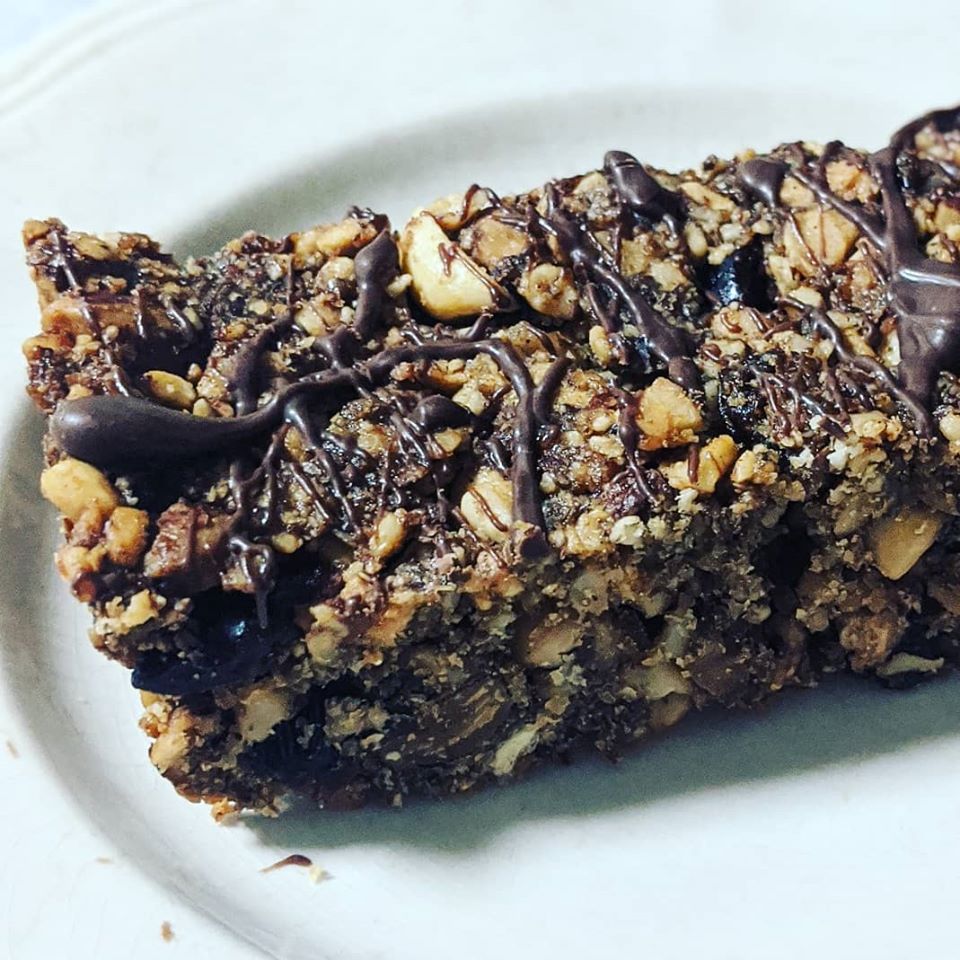
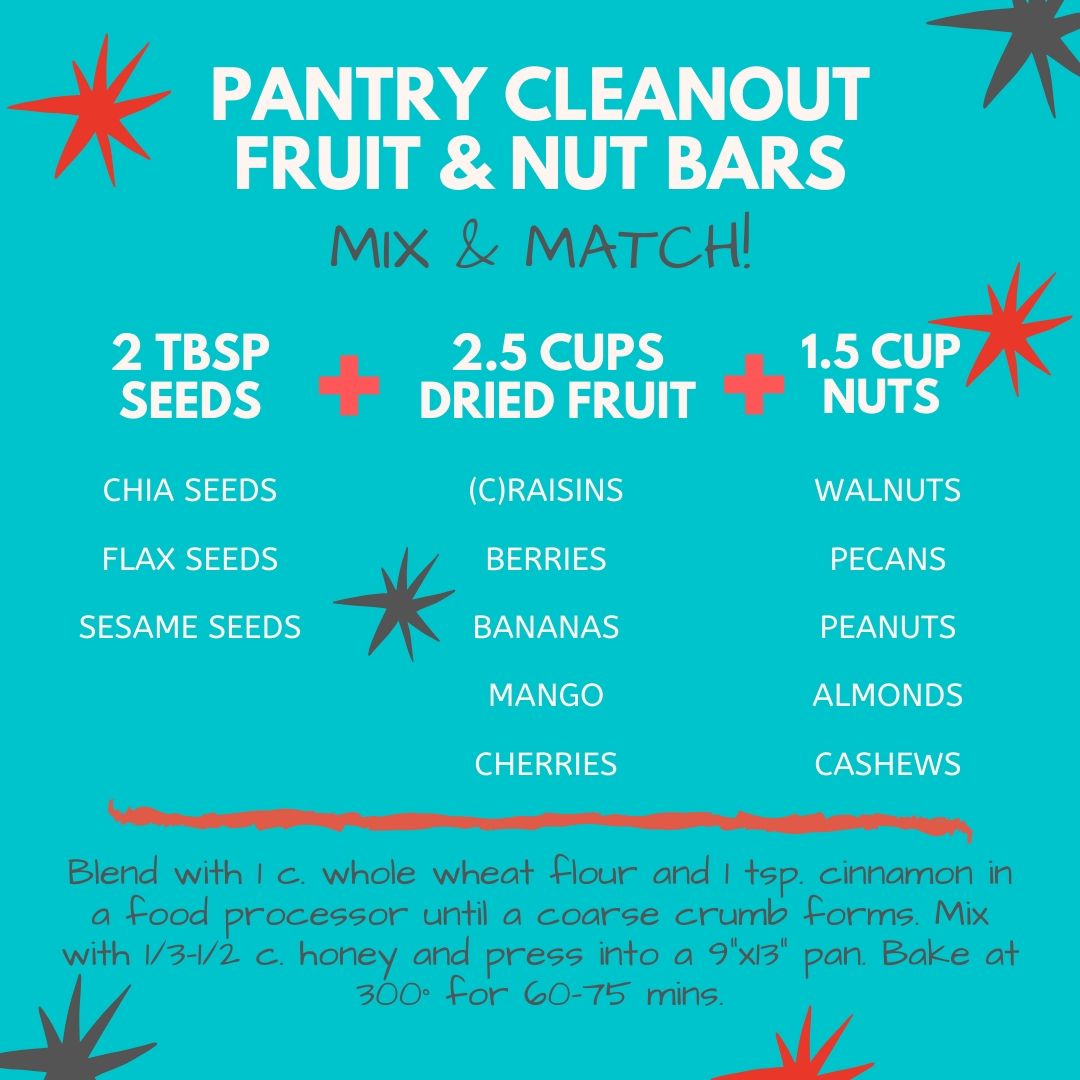
This fruit-and-nut granola bar recipe is versatile, nutritious, and delicious. Make it with ingredients you already have – clean out that pantry and save money!
Diet culture is determined to tell you that you have to be miserable to be healthy.
That couldn’t be more wrong.
Subscribe to learn how to go from a frustrated, restricted dieter to a happy, relaxed relationship with food and fitness. Healthy doesn’t have to be hard!